Is Becoming a Pilates Instructor a Good Career Move for Fitness Professionals in Singapore?
The fitness industry is constantly evolving, and so are the expectations of clients. While traditional strength training, cardio, and group fitness classes remain popular, Pilates has become an increasingly familiar part of the fitness conversation.
For personal trainers and fitness instructors in Singapore, this raises an interesting question: could adding Pilates to your existing skill set be a worthwhile career move?
Whether you're looking to expand your services, reach different clients, or introduce more variety into your sessions, Pilates could offer opportunities for professional growth. But before committing to further training, it's worth considering how it fits into your career.
Why Pilates Is Worth Considering as a Fitness Professional
As a fitness professional, you're probably already familiar with the importance of strength, mobility, stability, and movement quality.
Pilates approaches many of these areas through controlled exercises that emphasise coordination, posture, breathing, and body awareness.
This makes it an interesting addition to more traditional fitness training methods.
For example, a personal trainer who primarily works with strength-training clients may find Pilates principles useful when exploring movement control and exercise technique.
Similarly, a group fitness instructor might enjoy introducing a different style of class that focuses on precision rather than speed or intensity.
The appeal isn't necessarily about replacing what you already do. It's about developing another set of skills that could complement your existing approach.
Could Pilates Help You Reach a Wider Range of Clients?
One of the challenges of working in fitness is meeting the needs of clients with different goals, preferences, and experience levels.
Some people love high-intensity workouts. Others prefer slower, more controlled exercise sessions. Many enjoy a combination of both.
Having experience in different training methods can give you greater flexibility when working with these preferences.
Pilates may appeal to clients interested in improving their body awareness, core strength, flexibility, or general movement confidence.
For fitness professionals, offering Pilates instruction could create opportunities to work with people who might not otherwise be interested in traditional gym-based sessions.
Of course, adding a new qualification doesn't automatically guarantee more clients. Your location, experience, teaching ability, and the demand for particular services will all influence your opportunities.
Is Pilates a Natural Progression for Personal Trainers?
If you already hold a personal trainer certification, you may have a foundation in anatomy, exercise programming, and client communication.
Pilates teacher training can build on that knowledge by introducing a different approach to teaching movement.
For example, you might be used to coaching clients through squats, lunges, or resistance exercises. Pilates instruction often involves a greater focus on subtle positioning, breathing patterns, and controlled transitions between movements.
Developing these skills may also encourage you to look at familiar exercises from a different perspective.
However, Pilates is a discipline in its own right. Being an experienced personal trainer doesn't automatically make someone a qualified Pilates instructor.
Dedicated training and practical teaching experience are important if you want to offer Pilates classes professionally.
What Career Opportunities Could Pilates Open Up?
Adding Pilates instruction to your professional skill set may allow you to explore different working environments.
Depending on your qualifications and experience, opportunities could include teaching group Pilates classes, offering private sessions, or working with fitness studios and wellness facilities.
You might also choose to combine Pilates with your existing personal training services rather than pursue it as a separate career.
For independent fitness professionals, this could mean introducing another class format or creating more variety within an existing timetable.
There are practical considerations, though. Teaching additional classes requires preparation, scheduling, and sometimes access to suitable facilities or equipment.
Before investing in a Pilates instructor course in Singapore, consider whether the opportunities available align with how you want to work.
Mat Pilates or Reformer Pilates: Does It Matter?
If you're exploring Pilates as a career option, you'll likely come across different teaching pathways.
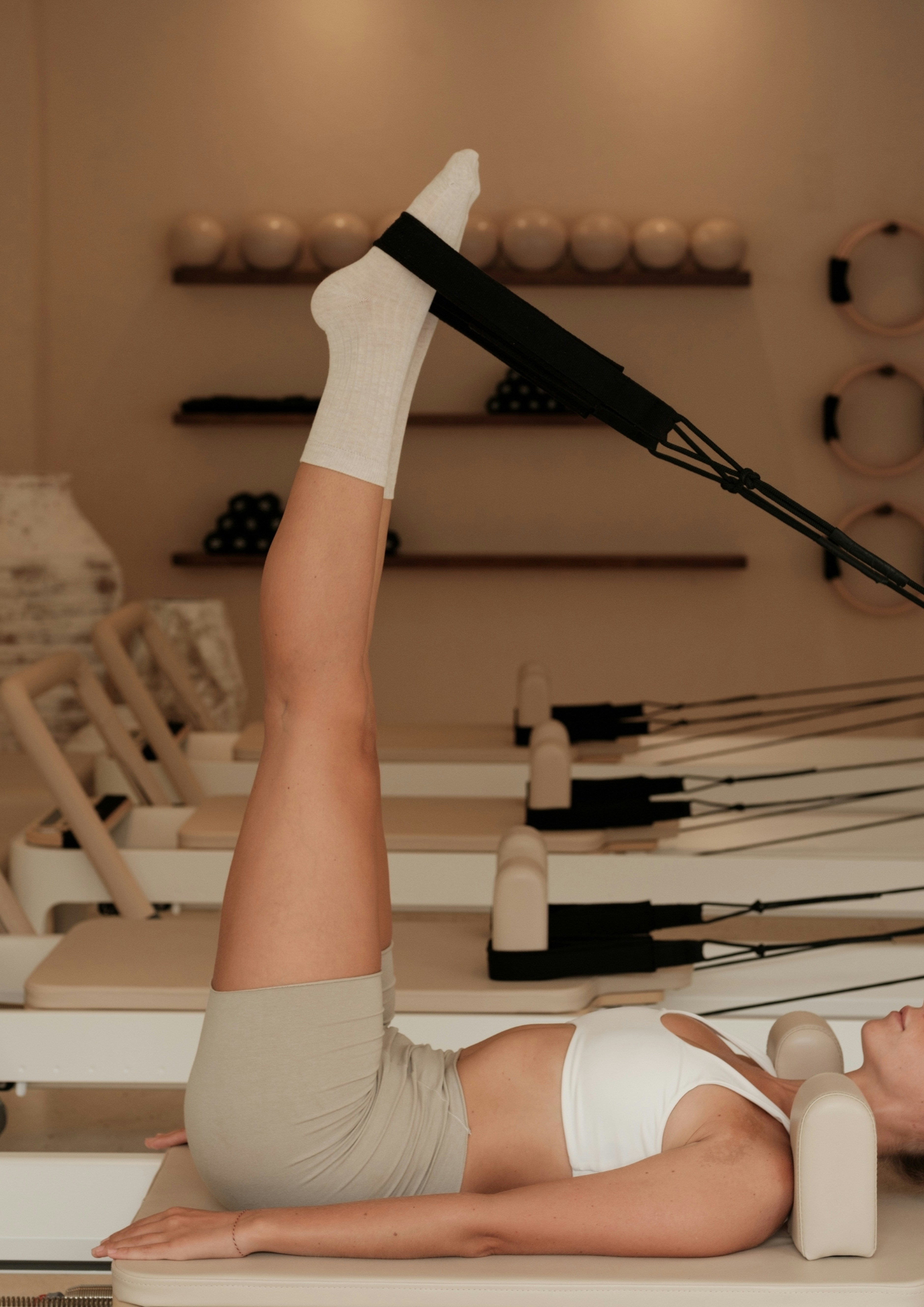
Mat Pilates primarily uses bodyweight movements performed on a mat, sometimes incorporating small pieces of equipment. Reformer Pilates involves specialised apparatus that provides resistance and support through springs and a moving carriage.
Both require specific teaching knowledge, and qualifications aren't necessarily interchangeable.
For an existing group fitness instructor, mat Pilates may be a practical area to explore because it can be delivered without large specialist equipment.
Reformer Pilates, on the other hand, may appeal to professionals interested in working in dedicated Pilates studios.
When researching Pilates teacher training in Singapore, understanding these differences can help you choose a direction that matches your interests and intended teaching environment.
What Should You Consider Before Adding Pilates to Your Qualifications?
Professional development is an investment of both time and money, so it's worth thinking about what you want to achieve.
Are your existing clients asking about Pilates? Would you enjoy teaching a slower, more technique-focused class? Are there opportunities to teach Pilates within your current workplace?
It's also worth researching the requirements for Pilates certification in Singapore, including the practical experience involved and whether potential employers recognise the qualification.
A Pilates certification may help you develop additional skills, but its value will depend on how you use those skills in your career.
The right Pilates instructor course should support your professional goals rather than simply add another certificate to your collection.
So, Is Pilates a Good Career Move?
For fitness professionals who enjoy teaching movement and want to expand their expertise, Pilates could be a worthwhile addition to their existing qualifications.
It offers a different approach to exercise instruction, opportunities to work with a broader range of clients, and the potential to diversify the services you provide.
Ultimately, the decision comes down to your interests, career goals, and the opportunities available to you.
If Pilates aligns with where you want to take your fitness career, exploring professional training is a sensible next step.
You can learn more about Pilates teacher training at Fitness Education Online Singapore.